Sexual potency refers to the ability to achieve and maintain an erection and engage in satisfying sexual activity. It’s influenced by physical health, mental well-being, lifestyle, and relationship factors. While occasional challenges are common, persistent changes merit a conversation with a healthcare provider to identify causes and safe options for support.

Potency describes sexual function, including libido, erectile response, and the ability to complete sexual activity. It’s a normal part of overall health and can vary with age, stress, and life circumstances.

Physical factors that can affect potency include cardiovascular disease, diabetes, hormonal imbalances, certain medications, and nerve damage. These conditions can affect blood flow, nerve signals, or hormone levels involved in sexual response.

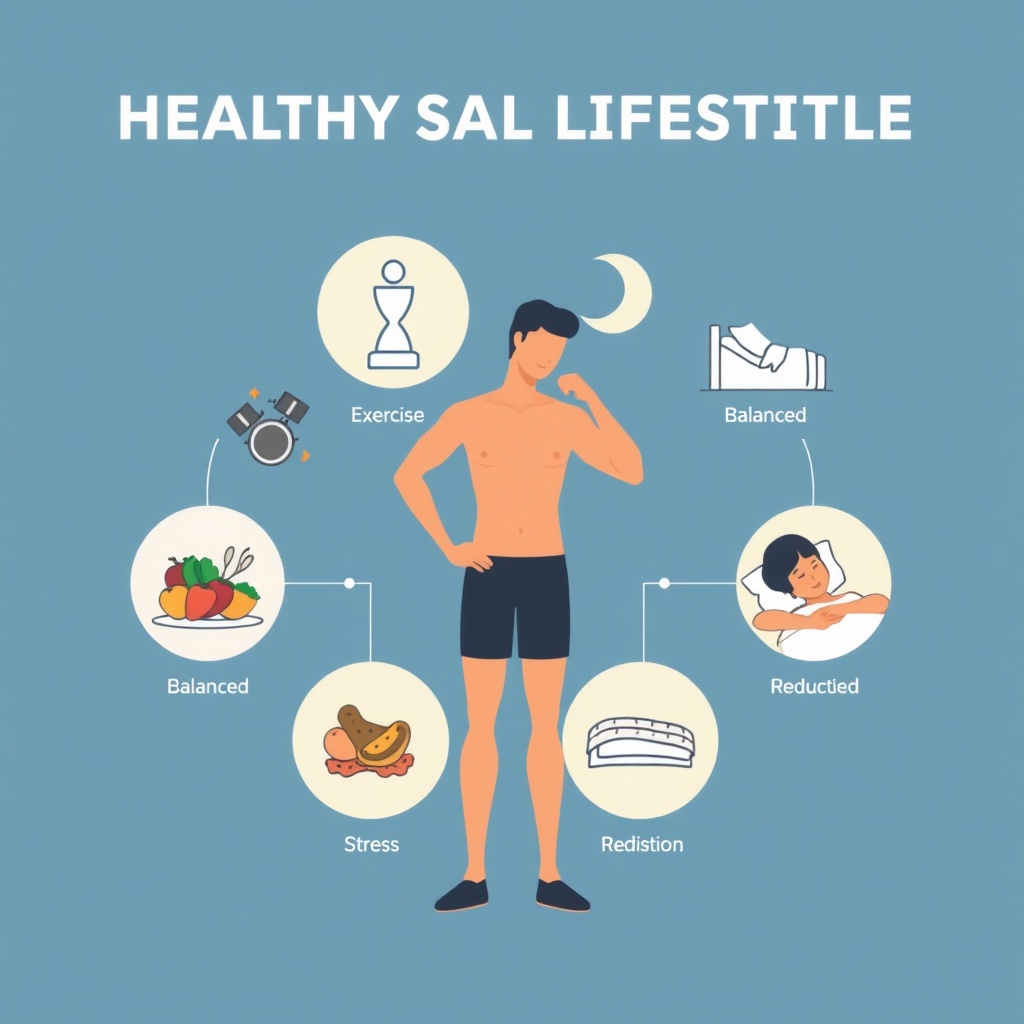
Stress, anxiety, depression, poor sleep, smoking, heavy alcohol use, and low physical activity can all reduce sexual function. Improving sleep, exercise, diet, and stress management often helps sexual wellbeing.

If difficulties are frequent, cause distress, or affect your relationships, talk with a healthcare professional. A provider can check for underlying conditions, review medications, and discuss safe treatment options or referrals to specialists.

An overview of male sexual potency: what it means, common influences, and practical steps that can support sexual health. This information is general and not a substitute for professional medical advice.
Potency generally refers to a man’s ability to achieve and maintain an erection sufficient for sexual activity, plus overall sexual function and libido. It is influenced by physical, hormonal, and psychological factors and can change over time.
Reduced potency can be associated with cardiovascular disease, diabetes, hormonal imbalances, certain medications, stress, anxiety, and lifestyle factors such as smoking or excessive alcohol use. Age can also affect sexual function, but it is not the only factor.
Maintaining a healthy weight, regular physical activity, balanced nutrition, limiting alcohol, quitting smoking, managing stress, and getting sufficient sleep are all supportive of sexual health. These measures may improve overall wellbeing and reduce risk factors linked to reduced potency.
See a doctor if you experience persistent changes in sexual function, sudden onset of problems, or if sexual issues are causing distress or relationship strain. A clinician can evaluate underlying causes, review medications, and discuss safe, evidence-based options tailored to your situation.
Potency refers to a man’s ability to achieve and maintain sexual function. Changes in potency are common and can be influenced by age, cardiovascular health, hormone levels, medications, mental health, and lifestyle factors like smoking, alcohol, and stress. Healthy habits—regular exercise, balanced nutrition, adequate sleep, and stress management—can support sexual health, and a medical evaluation can identify treatable causes. See a healthcare provider if you notice persistent changes, pain, or if sexual concerns are affecting your quality of life or relationships.
Potency refers to a person’s ability to achieve and maintain an erection sufficient for sexual activity. It’s influenced by physical health, hormones, blood flow, nerve function, and psychological factors. Changes in potency can be temporary or persistent and are common at different ages.
Common causes of reduced potency include cardiovascular disease, diabetes, high blood pressure, hormonal imbalances, certain medications, smoking, excessive alcohol use, stress, anxiety, and depression. Injury or nerve damage and age-related changes can also play a role.
Lifestyle steps that may help preserve or improve potency include quitting smoking, limiting alcohol, maintaining a healthy weight, exercising regularly, managing blood pressure and blood sugar, getting adequate sleep, and reducing stress. Open communication with a partner and addressing mental health are important, too.
If potency problems are persistent or causing distress, see a healthcare provider for evaluation. A clinician can review medical history, perform exams and tests, and recommend appropriate options such as treating underlying conditions, counseling, or prescription treatments. Outcomes vary by cause, so personalized care is important.