Vital Potential Read the Guide
Potency

Understanding Potency: A Practical Guide to Sexual Health

Potency — the ability to achieve and maintain sexual function — is shaped by physical health, mental wellbeing, medications, and lifestyle factors. This overview covers common causes of reduced potency, practical lifestyle steps that may help (sleep, exercise, nutrition, stress management), and signs that warrant discussion with a healthcare professional. For persistent concerns, consult a licensed provider for personalized evaluation and safe treatment options.

Learn more

About Sexual Potency

Sexual potency refers to a person’s ability to achieve and maintain an erection sufficient for sexual activity. It can be affected by physical factors (cardiovascular health, hormones, neurological conditions), lifestyle choices (smoking, alcohol, sleep, activity level), and psychological factors (stress, anxiety, depression, relationship issues). Many causes are common and treatable; typical approaches include lifestyle changes, counseling for mental health or relationship concerns, medical evaluation for underlying conditions, and physician-guided treatments when appropriate. If you notice persistent changes in sexual function, talking with a healthcare provider is the safest way to identify causes and options — avoid self-medicating and seek professional guidance.


Man jogging for heart health and improved sexual function
Doctor consulting a patient about sexual health and potential treatments
Couple having a supportive conversation about intimacy and relationship wellbeing

Overview of Sexual Potency

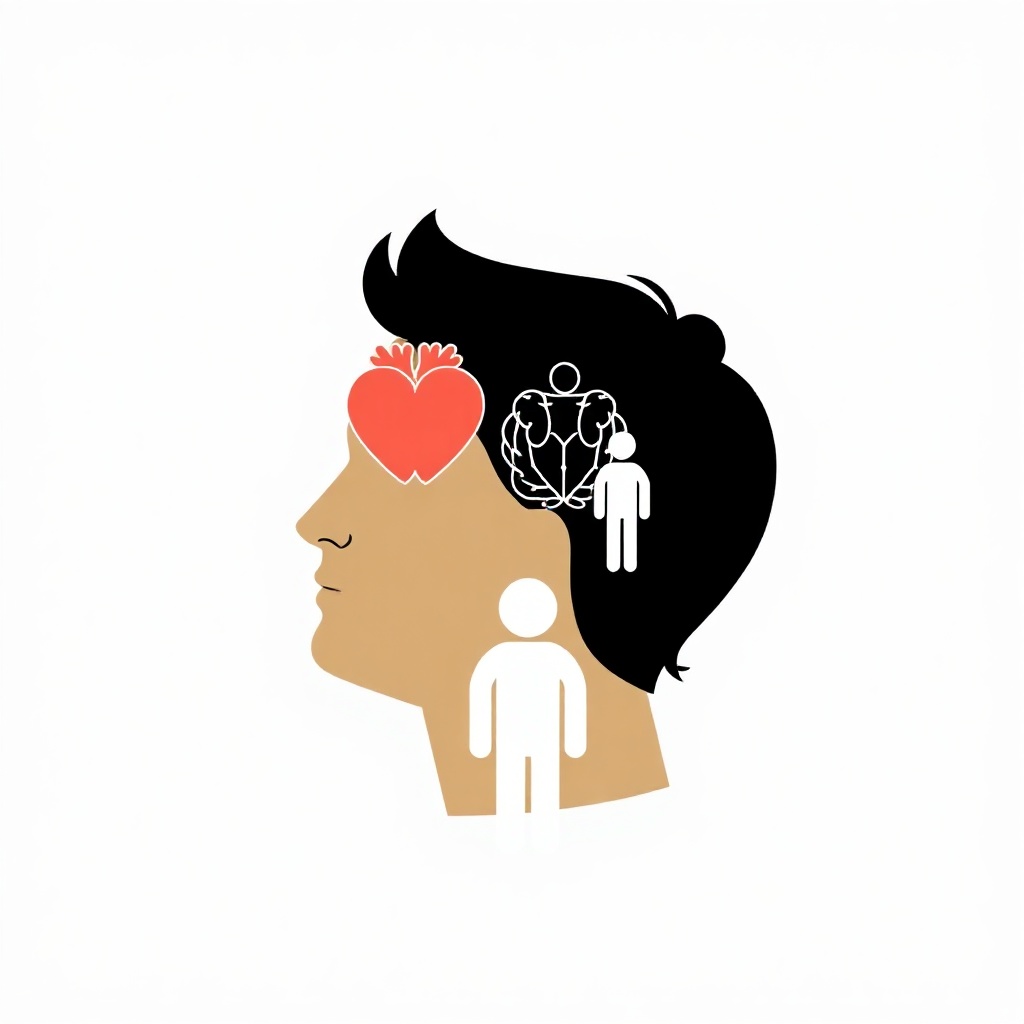
  • Illustration of silhouette with icons representing physical, mental, and relationship factors

    What sexual potency means

    Sexual potency refers to a person’s ability to achieve and maintain sexual function and respond to sexual activity. It includes physical factors like blood flow and hormones, as well as psychological and relational aspects. Variations in potency are common and can change over time.

  • Collage of medical icons showing heart monitor, medication, stress symbol, and cigarette

    Common causes of reduced potency

    Reduced potency can result from a mix of causes, including cardiovascular disease, diabetes, hormonal imbalances, certain medications, chronic illness, stress, anxiety, depression, and lifestyle factors such as smoking or heavy alcohol use. Age can influence function, but problems at any age merit attention.

  • Person jogging and preparing a healthy meal to represent lifestyle changes

    Lifestyle steps that can help

    Healthy habits often support sexual function. Regular physical activity, a balanced diet, maintaining a healthy weight, good sleep, moderating alcohol, and quitting smoking can improve overall well-being. Managing stress, practicing open communication with partners, and addressing mental health concerns also play an important role.

  • Patient consulting a healthcare professional in a clinic

    When to seek professional help

    If sexual difficulties are persistent, sudden, causing distress, or accompanied by pain or other medical symptoms, consult a healthcare provider. A clinician can evaluate underlying causes, review medications, and discuss appropriate, evidence-based options. Seeking help early can improve outcomes and quality of life.

Understanding Male Potency

A clear, practical overview of sexual function, common causes of changes, and safe steps to support healthy function.

What is potency?

Potency refers to sexual function, including libido (sexual desire) and the ability to achieve and maintain an erection. It naturally varies between individuals and can change over time. Occasional difficulties are common and not always a sign of a serious problem.

Common causes of reduced potency

Multiple factors can affect potency: cardiovascular disease, diabetes, hormonal changes, certain medications, psychological stress or anxiety, alcohol or substance use, smoking, and nerve or pelvic injuries. Often more than one factor contributes.

When to see a doctor

Talk with a healthcare provider if difficulties are persistent, cause distress, start suddenly, or are accompanied by pain, urinary symptoms, or other health changes. A clinician can assess underlying causes, run appropriate tests, and recommend safe options tailored to your situation.

Ways to support healthy function

Lifestyle steps that may help include regular exercise, a balanced diet, maintaining a healthy weight, quitting smoking, limiting alcohol, getting adequate sleep, and managing stress. Counseling or couples therapy can address psychological factors. Medical treatments—from oral medications to devices or procedures—are available but should be discussed with a provider.